Powered by Blogger.

Identifying Eastern Red Cedar

In the pictures, there are two examples of the Eastern Red Cedar. One is a large tree while the other is a smaller tree almost looking like a high bush.

Things to look for to identify it:
1. It has simple scale and awl-like leaves.
2. It has fibrous, peeling bark.
3. It's cones do not look like pine cones but instead look like blue fleshy berries.
4. It's an evergreen.

Bushcraft Uses:
1. The shaved bark makes an excellent tinder.
2. Can be used to construct a bow drill set.

If you can spot this tree, you'll know you can get fire.  


Notice the fibrous, peeling bark.

This picture is of a large Eastern Red Cedar tree.


It's cones do not look like pine cones but instead look like blue fleshy berries.


Simple scale and awl-like leaves.


These are pics of a small Eastern Red Cedar tree.


How To Make Holly Tea

The leaves of this tree are toxic and only the proper preparation will remove the toxins.

This done wrong will make you vomit. Vomiting in a survival situation is a great way to die.

Done right and you will have a healthy, non-bitter tea with vitamins C, A, and packed full of antioxidants.

History - The type of Holly here is called the American Holly. During the American Civil War (1861–1865), tea made from this tree was very popular.

The key to this is preparation. This plant can be beneficial to surviving and shows that while some plants can be toxic, the right preparation can eliminate this obstacle and make surviving in the wild, livable and enjoyable.

WARNING: The most important part of this process is air drying the leaves first. If you do not air dry them you will be sick.


The leaves look plastic and feel leathery when you first pick them.


Let the leaves air dry until all the plastic looking surface comes off. Notice how the color has changed.

WARNING: This is the toxic part of the tree and only the proper preparation will remove the toxins. If this is done wrong this will make you vomit. In survival situations, vomiting is a great way to die.


When the leaves are completely dry and free from the plastic outer layer, roast the leaves in an oven or on a camp fire.


After the roasting, remove the sharp thorns on the edge of the leaf.


Crush the leaves into a pile. When you crush the leaves, they will start to smell like tea. The smell is a good sign you're doing it right.

Put the leaves into a strainer.


Put the strainer into hot water and let it steep. After a few minutes you have Holly Tea.


Making A Purse Net - Part 2

Part 1 is here.


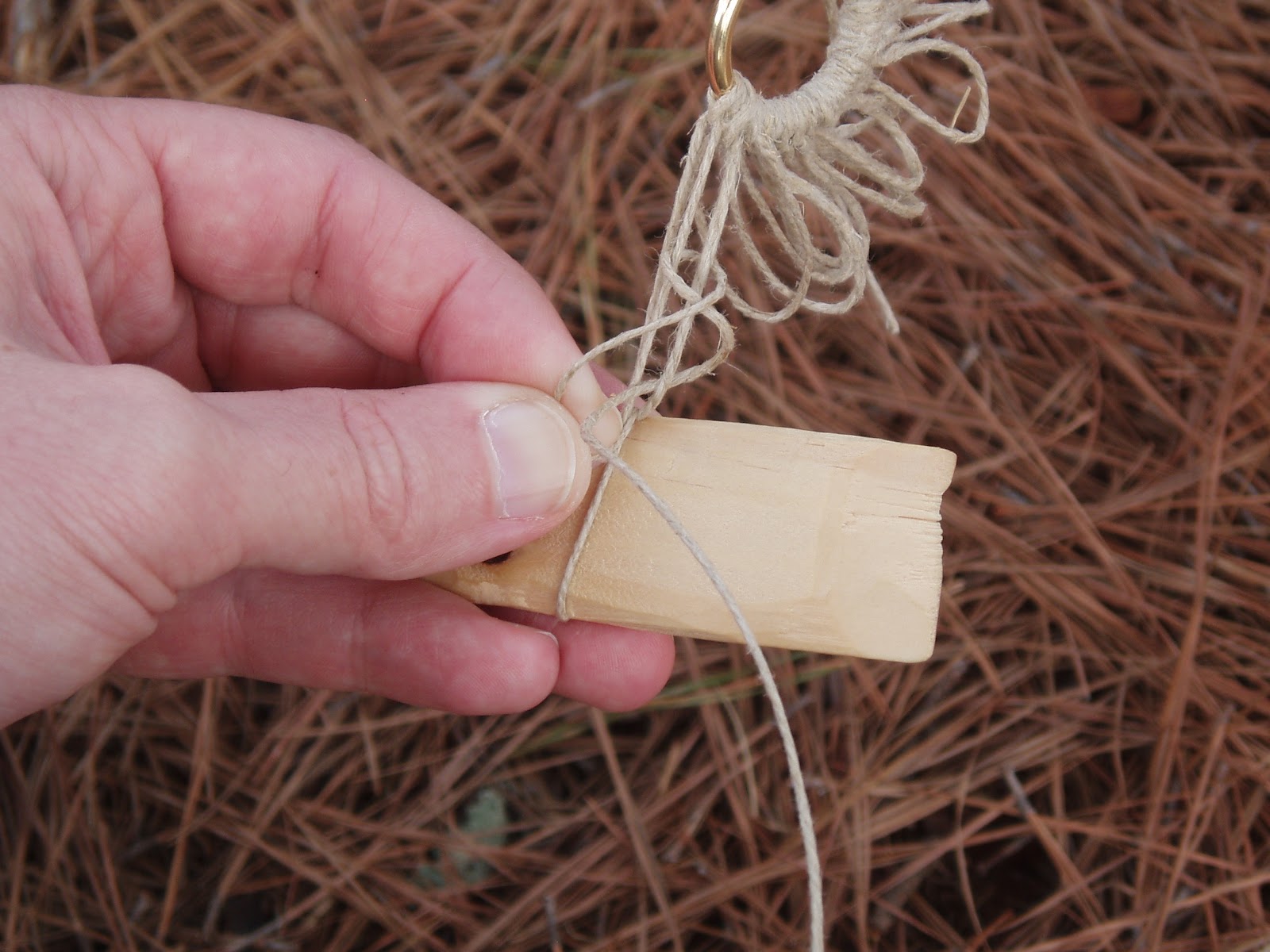
Place the spacer under the string.


Bring the needle around the back of the spacer and through the first loop.


Pull tight.


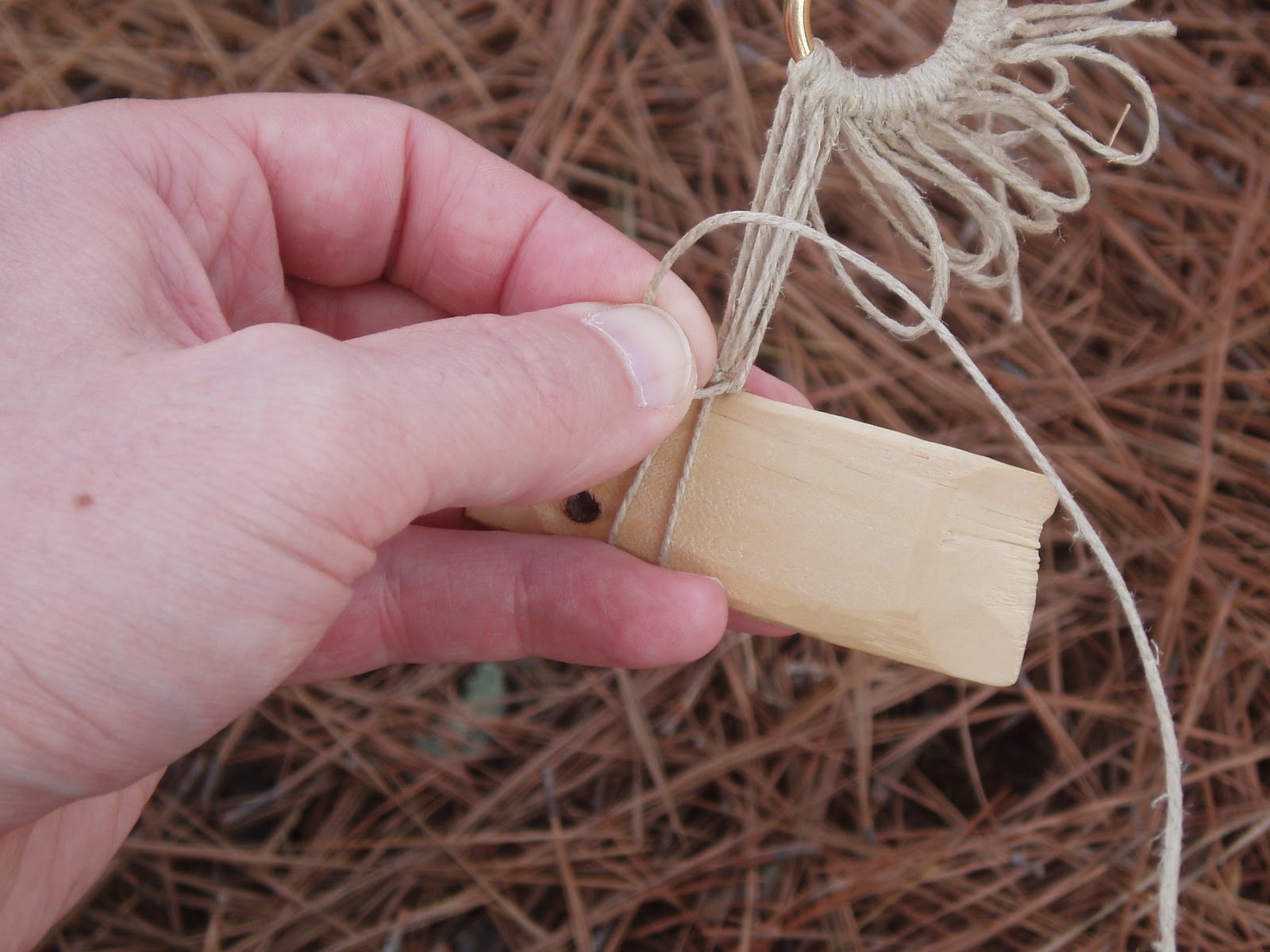
Bring the string up to make a loop while keeping the string tight around the spacer.


Thread the needle from the back around the two strings and through the loop.


After threading this through don't pull it tight.


Instead, pull the string up and out of the way.


With the string out of the way, bring the needle between the two strings.


Pull the string through and tighten the knot down.


Repeat this entire process until you have stitched up all the loops.


When finished with this, slide the wooden spacer out and you will see the new row of netting just made.


Continue to repeat the method row by row until you've reached the length on netting you want.